Photos, videos, work documents, game saves, and creative projects are often distributed across computers, phones, external drives, and cloud accounts. If a device fails, a file is deleted, or malware strikes, the only copy may be lost permanently.
World Backup Day is a reminder that additional capacity is only the beginning. A dependable backup must be independent and recoverable.
Backup Is Not the Same as Sync or Expansion
Moving a file to an external drive and deleting the original merely changes its location. It does not create a backup.
Cloud synchronization is also different from backup because deletion, overwriting, or corruption may propagate to other devices. RAID can improve availability, but it does not independently protect against accidental deletion, ransomware, theft, or the loss of an entire system.
Follow the 3-2-1 Backup Method
A practical 3-2-1 plan means:
Keep at least 3 copies: working data and two additional copies.
Use at least 2 independent devices or storage methods.
Keep at least 1 copy off-site or isolated from everyday systems.
Critical data may also need an encrypted, immutable, or disconnected copy. The U.S. Cybersecurity and Infrastructure Security Agency recommends offline, encrypted backups and regular tests of their availability and integrity. CISA Backup Guidance
What Should Be Backed Up First?
Prioritize files that cannot be replaced or would be expensive to recreate:
- Family photos and personal videos
- Contracts, financial records, and document scans
- Original photography, audio, and video
- Design files, source code, and research data
- Game saves, custom modifications, and original captures
- Project files, client deliverables, and recovery keys
Downloadable games and applications may have lower priority, although bandwidth, availability, and platform changes should still be considered.
Use Storage Tiers
| Storage area |
Suitable data |
| Fast storage |
Active projects, frequently played games, current files |
| Capacity storage |
Completed projects, recordings, photos, and media libraries |
| Independent backup |
Originals, saves, contracts, and irreplaceable files |
External SSDs suit frequent transfers and active projects. External HDDs suit large libraries and periodic offline backup. Cloud or off-site storage can reduce the risk of a single-location incident.
Composite Example: A Small Video Team
This composite scenario explains the method. It is not a PURPLELEC customer project or product test.
A small video team keeps active footage on a computer and completed projects on an external drive that remains connected. Some project files synchronize to the cloud, but restoration has never been tested.
After an accidental deletion propagates to other devices, the team changes its workflow:
- Two copies are created during media ingestion.
- Active projects remain on fast working storage.
- Completed projects move to a capacity-oriented library.
- Important source files receive an encrypted, disconnected copy.
- One project is restored each month to confirm integrity.
The improvement comes from independent copies, regular backup, and restore testing—not from one particular device.
What to Check When Using a Drive Enclosure
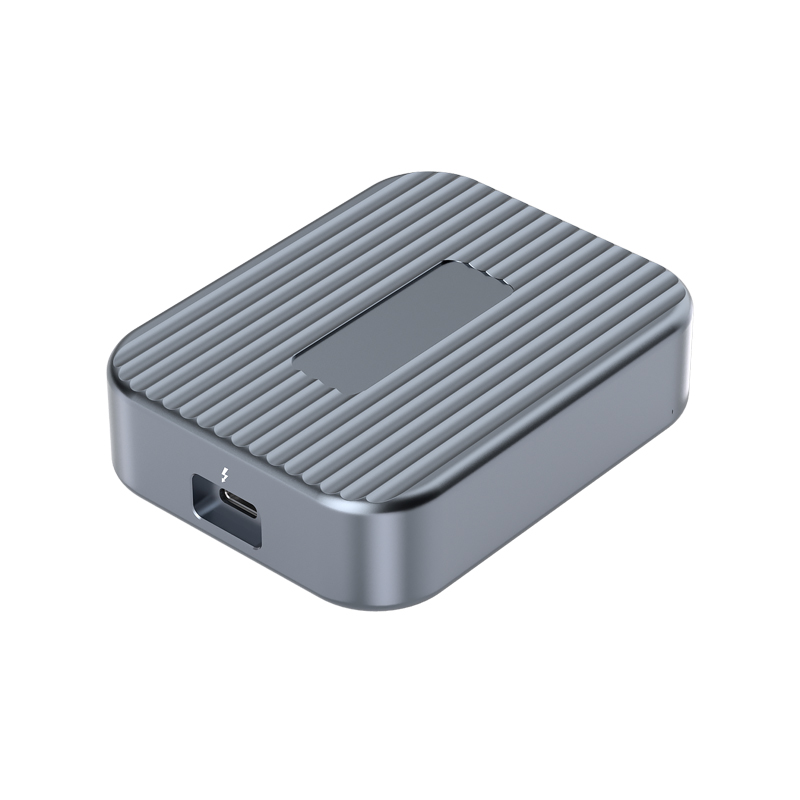
A drive enclosure provides storage connectivity, but it does not automatically create a complete backup system. Check:
- SATA or NVMe protocol compatibility
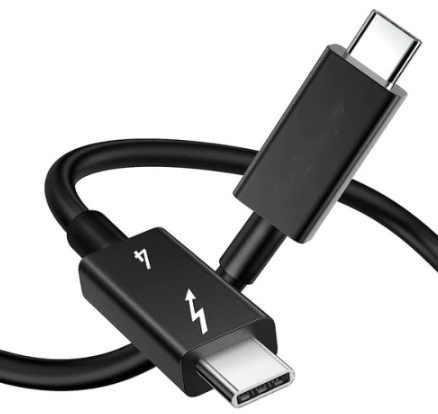
- The common speed of the host, enclosure, drive, and cable
- Stable power
- Cooling during sustained transfers
- Safe removal and secure storage after backup
A drive that remains connected may be exposed to the same ransomware as the computer. Drives intended for offline protection should be disconnected after backup.
Verify That Backups Work
The purpose of backup is restoration, not copying. Regularly:
1. Review backup logs and remaining capacity.
2. Restore several sample files.
3. Confirm that the files open correctly.
4. Check encryption passwords and recovery keys.
5. Schedule the next backup and restore test.
Conclusion
Reliable protection requires independent copies, at least one isolated or off-site copy, and regular restoration tests. Do not wait for data loss before checking whether a backup works.
World Backup Day is a useful annual checkpoint, but effective backup should be a year-round habit.
About PURPLELEC
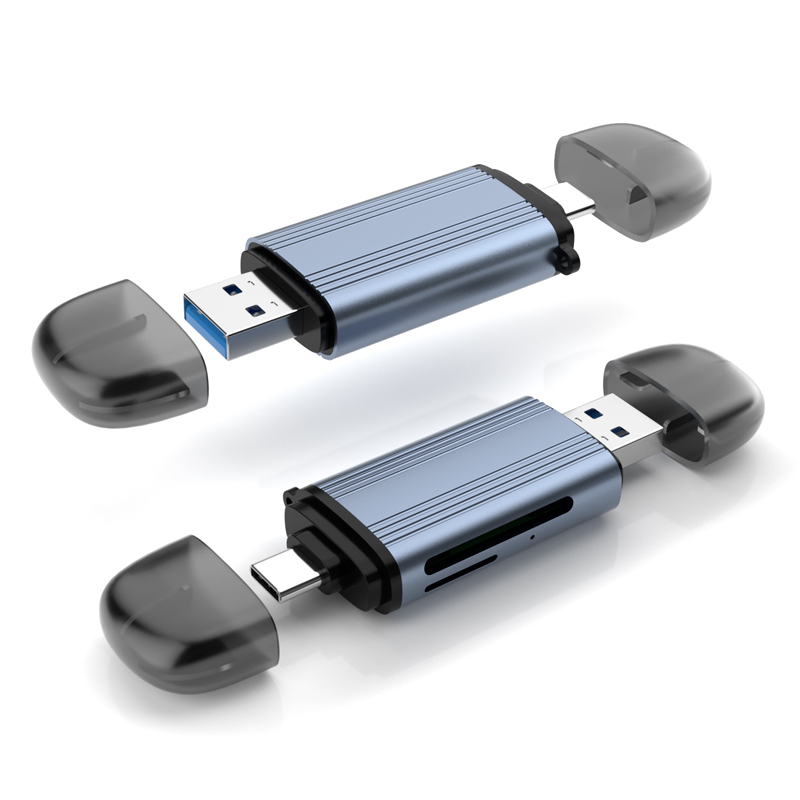
PURPLELEC provides SSD/HDD enclosures, docking stations, USB hubs, and other data connectivity and storage expansion products, with OEM/ODM project support.
These products can support data ingestion, storage expansion, and local backup. Actual performance depends on the drive, host, interface, controller, cable, power supply, cooling, and backup software.